
Hardscaping
Retaining Walls: What Goes Behind the Wall Matters More Than the Blocks
A retaining wall holds back soil and the water in that soil. Drainage behind the wall is what keeps it standing straight.
March 20, 2026 · 5 min read
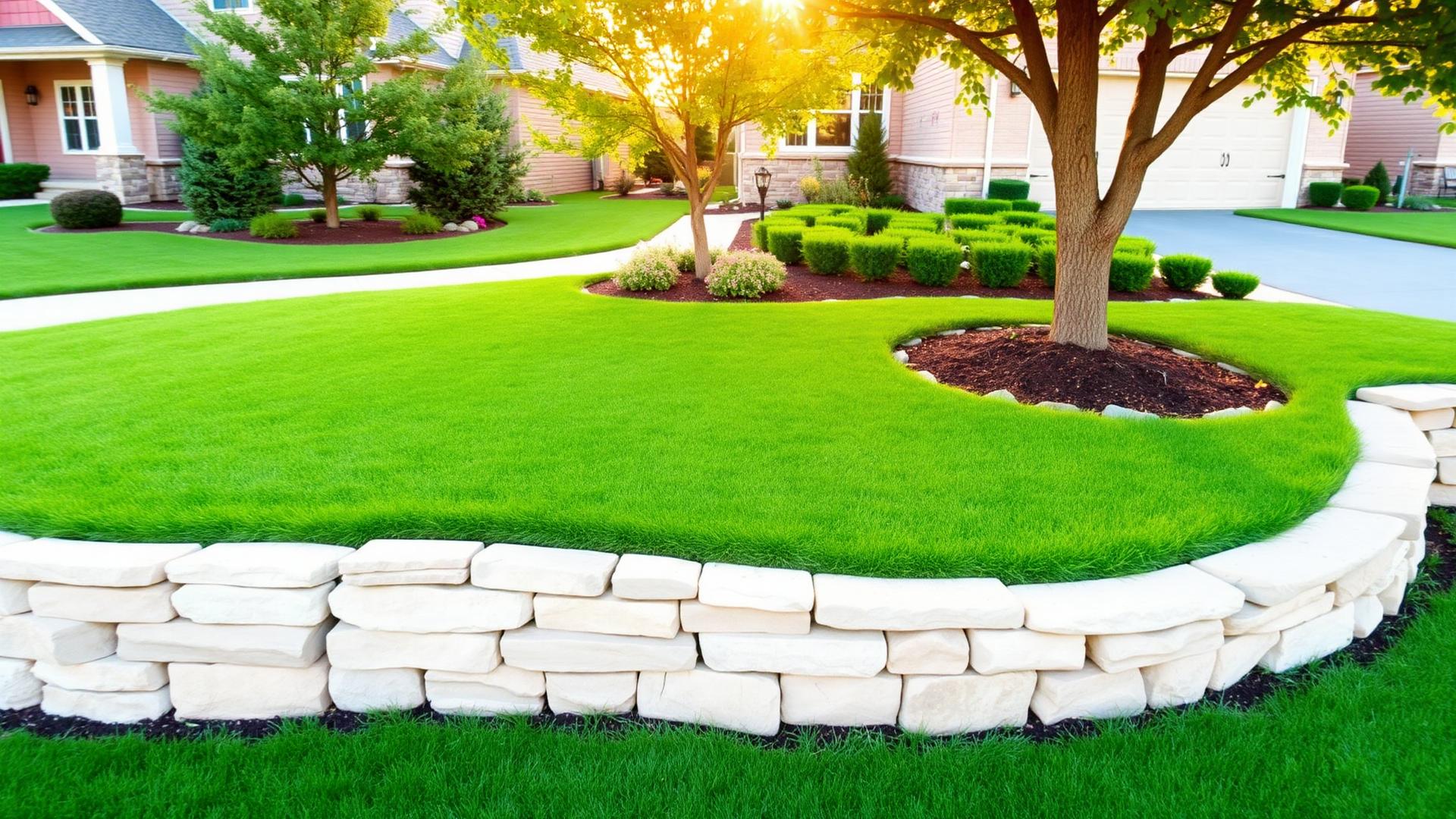
Leaning retaining walls are common, and the cause is usually the same: water built up behind the wall with nowhere to go, and hydrostatic pressure pushed the blocks forward.
The components that do the work
- A compacted granular base below the first course, set below grade
- Clear drainage stone behind the wall face
- A drainage pipe at the base of the wall with an outlet
- Geotextile separating drainage stone from native soil
- Backfill compacted in lifts as the wall goes up
Height changes the engineering
Low garden walls and taller structural walls are not the same project. As height increases, so do the loads, and reinforcement or engineering may be required. We will tell you when a wall is beyond a standard build rather than guess at it.
Sloped properties in Paris and Ancaster often need terraced walls rather than one tall wall — two shorter walls with a planted step between them can be both safer and better looking. Ask about it when you request an estimate.